
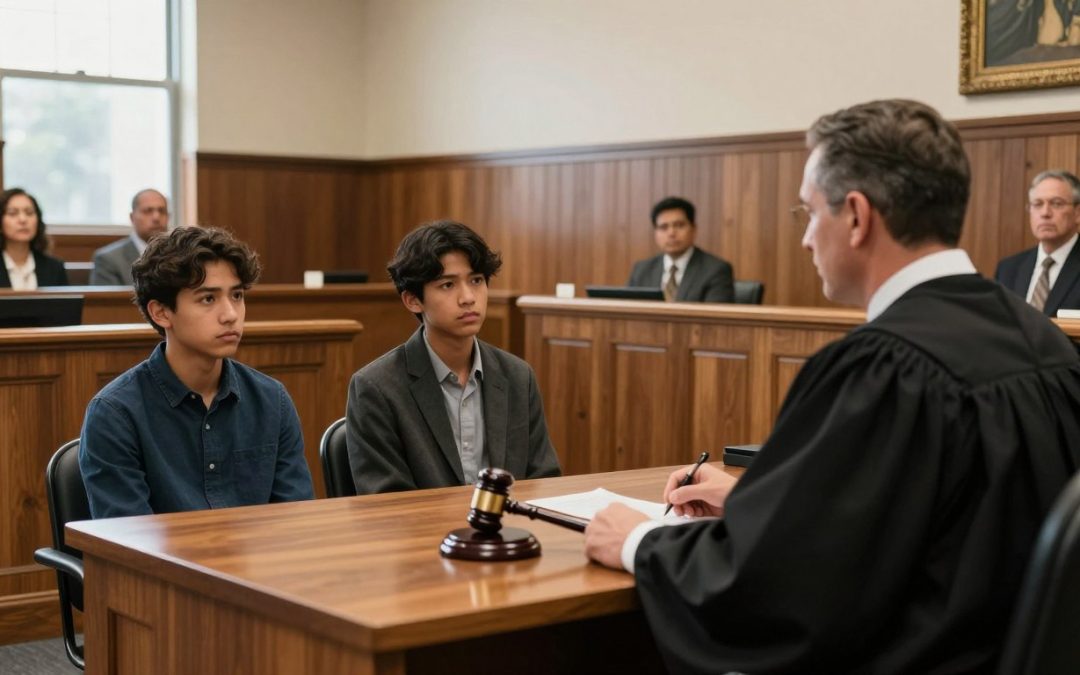
Facing the legal system can overwhelm any family. When you navigate juvenile criminal cases California, remember that the system favors rehabilitation over punishment. Its goal is to provide education and support as young people grow.
Understanding your juvenile legal rights is the first step toward peace of mind. The process usually includes police contact, detention decisions, and formal hearings. Each step protects community safety and addresses the youth’s specific needs.
Whether involving California juvenile crimes or juvenile crimes California, the juvenile court California process focuses on accountability. Judges often favor treatment programs over detention. Staying informed helps you advocate effectively for your child’s future.
Frequently Asked Questions
What is the primary goal of the youth justice system?
The system focuses on rehabilitation, education, and treatment. These services help youth learn from their mistakes.
Can a youth case be moved to adult court?
In certain serious situations, a judge may transfer a case to the adult system, but this is not standard.
How does the process begin?
It usually starts with police contact or a referral. Then, officials decide whether the youth needs detention before a hearing.
What Happens After an Arrest for a Juvenile Offense?
A juvenile arrest California case often confuses parents and youth. Parents and youth need to understand their rights and the steps after police contact. Navigating the California juvenile justice system requires understanding your rights and the steps after police contact.
Police Contact, Questioning, and Your Right to Remain Silent
When police approach a minor, they may ask questions about the alleged incident. You have the constitutional right to remain silent. You do not need to give a statement without a legal representative present.
Why You Should Ask for a Parent, Guardian, and Attorney
If detained, calmly say you want to speak with a parent or guardian. Requesting a juvenile defense attorney California helps protect your rights during questioning. Never feel pressured to give up these rights; your words can affect your case.
Detention Decisions and the Initial Assessment
After an arrest, a probation officer conducts an initial assessment. This review is part of juvenile detention California protocols. The officer decides whether you should remain in custody and assesses risks to you or the community.
When a Probation Officer May Release You Home
A probation officer may release you to your parents if you seem unlikely to flee. The officer considers strong home support and a stable environment. If the alleged conduct is minor, release may replace continued confinement.
When You May Stay in Juvenile Hall
In some cases, the officer may require you to stay in juvenile hall. This may happen because of serious safety concerns or a severe alleged offense. The table below shows the main factors in detention decisions.
| Factor | Release to Home | Detention in Hall |
|---|---|---|
| Alleged Conduct | Minor or non-violent | Serious or violent |
| Prior History | No prior record | Repeat offender |
| Home Support | Strong and present | Unstable or absent |
| Flight Risk | Low risk | High risk |
The Role of Parents, Guardians, and Defense Counsel
Parents or guardians play a key role in seeking your release and understanding the legal process. They should contact a qualified juvenile delinquency attorney as soon as possible. A skilled lawyer can challenge unnecessary detention and help your family prepare for the next court date.
Legal guidance provides peace of mind during a stressful time. Your attorney will help ensure that your voice is heard throughout the legal proceeding. They act as your main shield against possible errors in the justice process.
How Juvenile Crimes California Cases Move Through Court
When your child faces legal trouble, knowing the steps of the California juvenile justice system provides much-needed clarity. Each juvenile court California case follows a set path. It addresses allegations while focusing on your child’s future.
The Petition That Starts a Juvenile Court Case
The formal process begins when the district attorney files a juvenile petition California. This document outlines the specific charges against your child and starts the court proceedings.
How Allegations Differ From a Criminal Conviction
A petition contains allegations, not proven facts. Unlike adult criminal cases, a juvenile does not receive a traditional “conviction.” Instead, the court decides whether the allegations are true through a special legal process.
Detention Hearings and Early Court Appearances
Shortly after filing, a detention hearing decides whether your child should remain in custody. This may be your first appearance before a judge about the case’s immediate status.
What the Judge Considers When Setting Release Conditions
The judge considers public safety and the child’s home environment. They may set release conditions, such as curfews or school attendance, while your child remains supported at home.
Discovery, Negotiations, and Possible Case Resolutions
During discovery, your attorney reviews evidence gathered by the prosecution. This stage lets both sides discuss resolutions that avoid a full trial.
Dismissal, Informal Probation, and Deferred Entry Options
Many cases end through juvenile diversion California programs. These options may include informal probation or deferred entry of judgment. They let a youth complete specific tasks and avoid a formal court record.
The Adjudication Hearing
If negotiation fails, the case proceeds to a juvenile adjudication hearing. A judge hears evidence from both sides in this trial-like process.
How the Prosecution Must Prove the Allegations
The prosecution must prove the allegations beyond a reasonable doubt. Your defense counsel will challenge the evidence and protect your child’s rights during the hearing.
Why Juvenile Court Uses the Term “Sustained”
If the evidence is sufficient, the judge will rule that the allegations are “sustained.” This term avoids the stigma linked to an adult criminal conviction.
Disposition and Court-Ordered Consequences
After a sustained finding, the court enters the disposition phase. This stage focuses on juvenile court consequences and favors rehabilitation over punishment.
Probation, Counseling, Community Service, and Placement
The judge may order juvenile probation California, including regular check-ins with a probation officer. Other outcomes include community service, counseling, or specialized placement programs tailored to the child’s needs.
Education, Treatment, and Rehabilitation Goals
The disposition’s main goal is supporting the child’s growth. Through education and treatment, the court helps youth make positive changes and avoid future legal issues.
Your Rights and Legal Options in a California Juvenile Case
The California juvenile court process protects you through powerful legal rights. These rights of juveniles in California can help secure a better future. Knowing your options matters for minor charges and serious allegations.
Key Rights You Have Throughout the Process
The Right to an Attorney and Confidential Legal Advice
Every young person has the right to a qualified juvenile defense attorney California. Your lawyer gives confidential advice and makes sure the court hears your voice. Your lawyer advocates for you and protects your interests against the prosecution.
The Right to Notice, a Fair Hearing, and to Present a Defense
You must receive formal notice of every allegation against you. You also have the right to a fair hearing, challenge evidence, and present witnesses. These protections help ensure the truth emerges before the court decides your case.
Factors That Can Affect the Outcome
Your Age, Record, School History, and the Alleged Conduct
The court considers several personal factors when deciding the best path forward. Your age, past behavior, and school performance may affect the judge’s view. A juvenile delinquency attorney can highlight your strengths and seek better terms.
Evidence, Witnesses, Search Issues, and Police Procedures
The prosecution’s case often depends on how officers gathered evidence. If police violated your rights during a search or questioning, your attorney may seek to suppress it. Challenging witness credibility may also support a juvenile case dismissal California.
When a Case May Move to Adult Criminal Court
Transfer Hearings and Serious Allegations
For very serious crimes, prosecutors may request a transfer to adult court California. At a formal transfer hearing, a judge decides whether you should face trial as an adult. Your legal team will seek to keep your case in juvenile court, which focuses on rehabilitation.
Appeals, Record Sealing, and Future Consequences
Why Completing Court Requirements Matters
Following all court-ordered programs supports your long-term success. It shows your commitment to positive change and helps you clear your record.
How an Attorney Can Protect Your Education and Future
Your lawyer represents you in court and protects your future opportunities. After you meet your obligations, they can guide you through juvenile record sealing California. This process can keep past mistakes from harming your education or career goals.
| Legal Stage | Your Primary Goal | Attorney’s Role |
|---|---|---|
| Initial Hearing | Understand charges | Protect your rights |
| Adjudication | Challenge evidence | Present your defense |
| Disposition | Minimize penalties | Advocate for rehabilitation |
- Always consult with your lawyer before speaking to authorities.
- Keep a record of your school achievements and community service.
- Stay focused on completing all court-ordered tasks promptly.
Conclusion
Juvenile crimes California cases can feel complex, but understanding each step makes the process clearer. From arrest and detention decisions to the final court disposition, every step can affect your future.
Your choices can affect your education, family life, and future opportunities. Protect your juvenile legal rights so you receive fair treatment throughout the process. Sealing your record or seeking other remedies remains important for many families.
Legal requirements move quickly in these cases. Contact a qualified juvenile defense attorney as soon as possible. A skilled lawyer can explain your options and help you meet every court deadline.
Take action today to seek the best possible outcome for your case. Your future deserves careful attention and informed legal guidance.


