

When facing criminal charges in California, the prospect of jail or prison time creates immense stress for defendants and their families. However, the California criminal justice system offers various sentencing alternatives that can help eligible defendants avoid incarceration while still satisfying the court’s sentencing requirements. These alternatives provide opportunities for rehabilitation and allow individuals to maintain employment, support their families, and address underlying issues that may have contributed to their legal troubles.
California’s Criminal Sentencing Framework
The California Penal Code establishes the framework for criminal sentencing in the state. While the code specifies maximum penalties for various offenses, judges typically have significant discretion within these parameters. The California Sentencing Act serves as a primary guide for judges when determining the appropriate type and length of a sentence.
When imposing a sentence, California judges must balance several objectives:
- Punishment proportionate to the offense
- Deterrence of future criminal conduct
- Rehabilitation of the offender
- Protection of public safety
- Restitution to victims when applicable
Sentencing is not an exact science, and different judges may reach different conclusions within the permitted legal ranges. These variations don’t necessarily indicate error but reflect the individualized nature of criminal sentencing in California courts.
Judicial Discretion in Sentencing
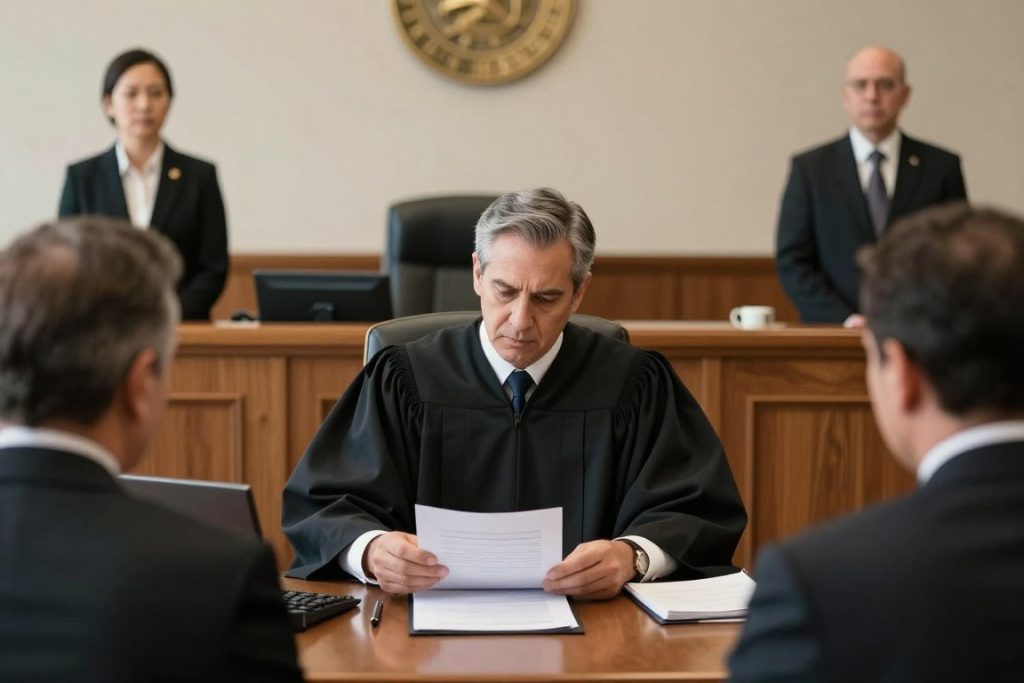
California law grants judges considerable discretion when determining appropriate sentences. This discretion allows judges to tailor sentences to the specific circumstances of each case and defendant. Factors that judges consider include:
Case-Specific Factors
- Severity of the offense
- Presence of aggravating or mitigating circumstances
- Impact on victims
- Use of weapons or violence
- Role of the defendant in the offense
Defendant-Specific Factors
- Prior criminal history
- Age and personal circumstances
- Employment status and history
- Family responsibilities
- Amenability to rehabilitation
This discretion is particularly important when considering sentencing alternatives. A skilled defense attorney can present compelling arguments and evidence to persuade a judge that an alternative sentence better serves the interests of justice than incarceration.
Common Sentencing Alternatives in California
California courts offer several sentencing alternatives that can help defendants avoid jail or prison time while still holding them accountable for their actions. The availability of these options depends on the nature of the offense, the defendant’s criminal history, and other factors.
Probation
Probation is the most common alternative to incarceration in California. When a judge grants probation, the defendant serves their sentence in the community under supervision rather than in jail or prison. Probation can be formal (supervised by a probation officer) or informal (court supervision without a probation officer).
Conditions of probation typically include:
- Regular check-ins with a probation officer
- Maintaining employment or education
- Avoiding contact with certain individuals
- Submitting to drug and alcohol testing
- Obeying all laws and court orders

Community Service
Community service requires defendants to perform unpaid work for public or nonprofit organizations. This alternative allows offenders to give back to the community while avoiding incarceration. The court typically specifies the number of hours required and may designate particular types of service based on the offense.
Electronic Monitoring and House Arrest
Electronic monitoring allows defendants to serve their sentences at home while wearing an ankle bracelet that tracks their location. This alternative permits individuals to maintain employment and family responsibilities while restricting their movement and ensuring compliance with court orders.
Specialized Sentencing Alternatives
Drug Diversion Programs
California offers several drug diversion programs under Penal Code 1000 and Proposition 36. These programs allow eligible defendants charged with drug offenses to receive treatment instead of incarceration. Upon successful completion, charges may be dismissed or reduced.
Mental Health Diversion
Under California Penal Code 1001.36, defendants with qualifying mental health conditions may be eligible for mental health diversion. This program provides treatment and support services instead of traditional criminal punishment. Successful completion can result in dismissed charges.
Veterans Treatment Courts
Los Angeles County offers specialized veterans treatment courts for eligible military veterans facing criminal charges. These courts address underlying issues such as PTSD, substance abuse, and mental health conditions that may have contributed to criminal behavior.

Sentencing Alternatives in Los Angeles County Courts
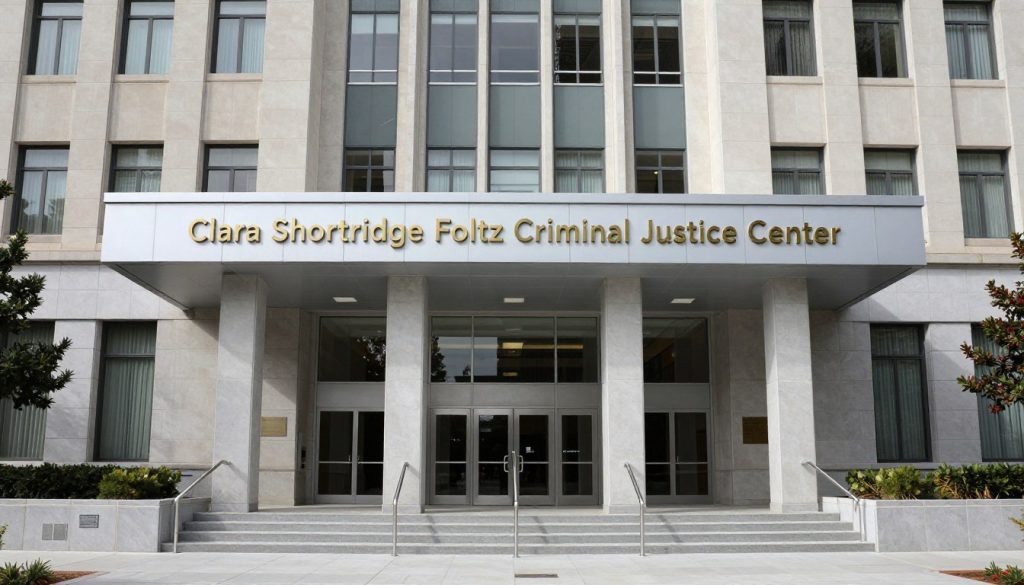
Los Angeles County courts have implemented numerous alternative sentencing programs to address overcrowding in jails and promote rehabilitation. These programs operate in courthouses throughout the county, including:
- Clara Shortridge Foltz Criminal Justice Center (Downtown LA)
- Airport Courthouse (LAX area)
- Van Nuys Courthouse
- Compton Courthouse
- Pasadena Courthouse
- Long Beach Courthouse
Each courthouse may have specific procedures and requirements for sentencing alternatives. An attorney familiar with Los Angeles County courts can navigate these requirements effectively to secure the best possible outcome.
The Critical Role of a Defense Attorney in Securing Sentencing Alternatives
Securing sentencing alternatives requires skilled legal representation. An experienced criminal defense attorney can:
- Evaluate your eligibility for various sentencing alternatives
- Gather and present mitigating evidence to the court
- Negotiate with prosecutors for favorable plea agreements
- Prepare compelling arguments for alternative sentencing
- Guide you through program requirements to ensure compliance
- Advocate for your interests at every stage of the criminal process
Without proper legal representation, defendants often fail to secure available sentencing alternatives, resulting in unnecessary incarceration and its associated consequences.

The difference between incarceration and an alternative sentence often comes down to the quality of legal representation. An experienced defense attorney knows how to present your case in the most favorable light to secure these alternatives.
Determining Eligibility for Sentencing Alternatives
Not all defendants qualify for every sentencing alternative. Eligibility depends on various factors, including:
Factors That May Qualify You
- First-time offender status
- Non-violent offense
- Demonstrated remorse
- Stable employment history
- Strong community ties
- Willingness to make restitution
Factors That May Disqualify You
- Serious or violent felony conviction
- Multiple prior convictions
- Probation or parole violations
- Certain sex offenses
- Gang-related crimes
- Offenses involving serious injury
A thorough case evaluation by an experienced criminal defense attorney is essential to determine which sentencing alternatives may be available in your specific situation.
Secure Your Freedom with Expert Legal Representation
Sentencing alternatives offer valuable opportunities to avoid incarceration while satisfying court requirements. However, securing these alternatives requires knowledgeable legal representation and careful case preparation. The California criminal justice system’s complexity demands experienced guidance to navigate effectively.
Our Los Angeles criminal defense attorneys have extensive experience helping clients secure favorable sentencing alternatives. We understand the local court systems, prosecutor tendencies, and effective strategies for presenting compelling cases for alternative sentencing.
Don’t risk your freedom by facing criminal charges without proper representation. Contact our office today to discuss your case and explore potential sentencing alternatives that may be available to you.


