
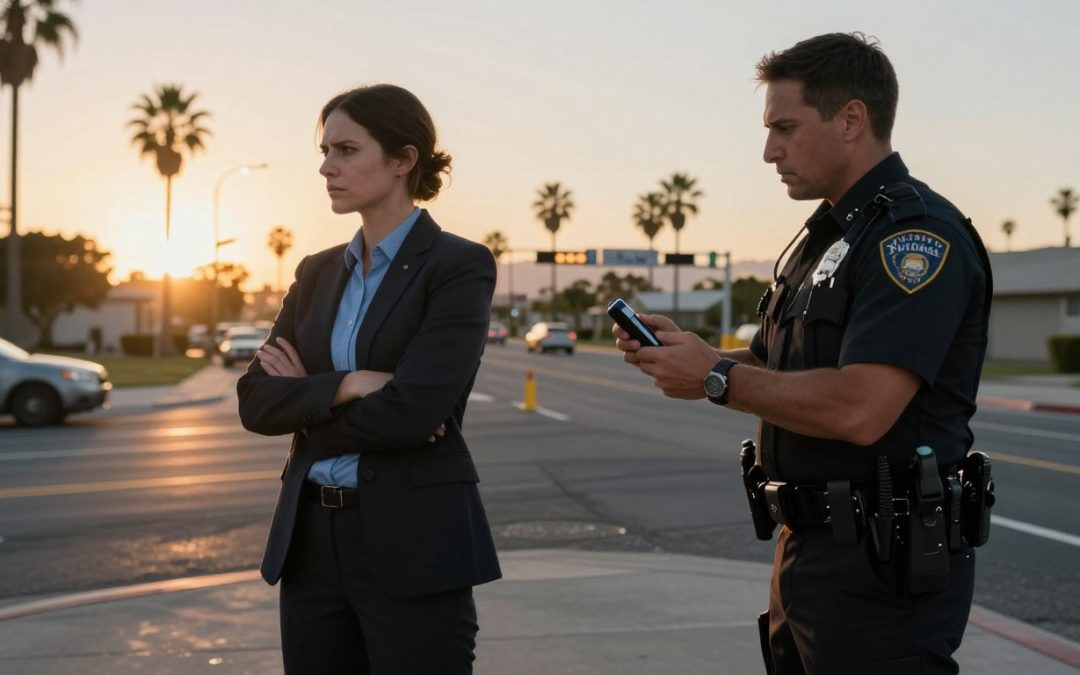
Being pulled over by law enforcement can feel stressful. If you refuse a breathalyzer California officers offer, you may worry about what comes next. This choice can trigger legal consequences that you must address right away.
If you face a DUI breath test refusal, California handles the matter through two separate channels. You may face a criminal court case and separate administrative action from the DMV. These processes work independently, so resolving one does not automatically resolve the other.
After a first California breath test refusal, your license will generally be suspended for one year. However, the final outcome often depends on your circumstances and driving history, and strict deadlines mean you should act quickly. Understanding the officer’s advisements is the first step in managing your refusing breath test California case.
What Refusing Breath Test California Means After a DUI Stop
When officers stop you for a suspected DUI, the requested test matters. Understanding the rules can help you handle this stressful situation. Knowing your rights is the first step toward protecting your future.
The Difference Between a Roadside PAS Test and a Chemical Test
People often confuse the tests an officer may request. A roadside breath test California, called a Preliminary Alcohol Screening or PAS test California, serves as a field tool. This device helps the officer decide whether probable cause supports an arrest.
An evidentiary chemical test occurs after a lawful arrest. You may decline roadside screening, but rules change after arrest. Confusing these tests can cause serious misunderstandings about your legal duties.
| Test Type | Timing | Legal Obligation |
|---|---|---|
| PAS Test | Pre-Arrest | Generally voluntary for adults |
| Chemical Test | Post-Arrest | Mandatory under implied consent |
| Refusal Consequence | Minimal/None | License suspension |
When California’s Implied Consent Law Applies
The California implied consent law is important for every driver to understand. By getting a state driver’s license, you agree to take a chemical test after a lawful DUI arrest. The law helps preserve evidence of intoxication.
This requirement covers blood or breath tests given after arrest. Refusing this required test brings automatic administrative penalties. These penalties are separate from criminal charges you may face in court.
What Officers Must Explain Before Requesting a Test
Before requesting a chemical test, officers generally must give specific advisements. They must say refusal will suspend or revoke your license. This warning helps you understand the seriousness of a chemical test refusal.
The timing and accuracy of these warnings can affect your defense later. If an officer gives incorrect information, it may affect the refusal’s validity. Always pay close attention to the officer’s words during the arrest, because these details may become crucial later.
How Refusal Can Affect Your California Driver’s License
California law treats refusal as a separate administrative matter from your criminal DUI charge. Even without a conviction, the Department of Motor Vehicles (DMV) can act against your driving privileges.
The DMV Administrative Per Se License Suspension
The administrative per se suspension California process removes drivers quickly when they decline a chemical test. This civil action does not require a criminal conviction. Your license is at risk when an officer reports a refusal after a lawful breath or blood test request.
The 10-Day Deadline to Request a DMV Hearing
Act quickly if you want to challenge this suspension. You have a strict 10-day DMV hearing deadline from receiving the suspension notice to request review. Missing this window waives your right to contest the suspension, which then starts automatically.
Requesting a DMV APS hearing is the only way to formally dispute the officer’s report. You or your legal representative can challenge the stop and the refusal claim’s accuracy. Preparation is key to making sure the hearing officer hears your side.
Possible Suspension Periods and Restricted-License Options
If the DMV upholds the suspension, you may lose driving privileges for a long time. Some drivers hope for a restricted license after refusal, but eligibility is not guaranteed. You may need an ignition interlock device (IID) or specific compliance milestones for limited driving rights.
How a Prior DUI or Earlier Refusal May Change the Penalty
Your history often affects the severity of your situation. Prior DUI refusal penalties are much harsher than penalties for a first offense. The following table shows how these scenarios usually affect your license status:
| Offense History | Standard Suspension Period | Restricted License Eligibility |
|---|---|---|
| First Refusal | 1 Year | Limited/Conditional |
| Second Refusal | 2 Years | Restricted/IID Required |
| Third+ Refusal | 3 Years | Highly Restricted |
Why Requesting a Hearing Does Not Automatically Stop the Suspension
Many people wrongly believe that requesting a hearing immediately puts a “stay” on the suspension. A timely request often delays the suspension until the hearing ends, but this protection is not guaranteed. Confirm that the DMV processed your request and approved the stay.
If the hearing officer finds probable cause and proper warnings, the DMV will likely uphold the suspension. Staying informed about your case status helps prevent unexpected disruptions to your daily commute.
How Breath-Test Refusal May Affect Your DUI Case
Your choice during a traffic stop can change your entire DUI case. A DUI breath test refusal brings legal issues involving the DMV and court. Learning how refusal evidence DUI case rules work can help protect your rights.
Prosecutors May Use the Refusal as Evidence of Consciousness of Guilt
Prosecutors may argue that refusing a test shows a consciousness of guilt DUI. They may claim you refused because you knew you exceeded the legal limit. This argument presents your silence or refusal as an admission of guilt.
Refusal Does Not Automatically Prove You Were Intoxicated
A refusal does not scientifically measure your blood-alcohol concentration. Prosecutors must prove impairment through field sobriety tests or officer observations. Refusal is a choice, not definitive proof of intoxication.
Additional Criminal Consequences for Refusing After a Lawful DUI Arrest
After a lawful DUI arrest, refusing a chemical test may bring enhanced criminal penalties breath test refusal. These penalties may include longer license suspensions and mandatory jail time. Consult a qualified attorney about these serious outcomes.
How Refusal Can Affect Sentencing, Probation, and Ignition Interlock Requirements
Refusal can bring stricter probation terms and higher fines. The court or DMV may require an ignition interlock California DUI device for your driving privileges. These devices help prevent impaired driving and add oversight to daily life.
| Consequence Type | Standard DUI | Refusal Case |
|---|---|---|
| License Suspension | 4 Months | 1 Year (Hard) |
| Jail Time | Minimal | Mandatory Minimums |
| Probation Terms | Standard | Enhanced Monitoring |
| Interlock Device | Case-by-Case | Often Mandatory |
Potential Issues With the Stop, Arrest, Advisement, or Test Request
Your defense team will examine the officer’s procedure for flaws. They will check whether the stop was valid and whether probable cause supported your arrest. A missing clear advisement or unavailable testing equipment could weaken the prosecution’s case.
Conclusion
A breath test refusal creates a complex situation involving criminal charges and administrative actions. The DMV operates separately from your court case. Understanding DMV penalties helps you manage your future.
You have a strict 10-day window to request a hearing about your license suspension. Missing this deadline means losing your chance to challenge the administrative action. Acting quickly helps protect California driving privileges during this stressful time.
A refusal does not automatically mean you were intoxicated. Many factors affect whether the stop and test request were legal. Explore all breath test refusal legal options to build a strong defense.
Consulting a skilled DUI defense lawyer California can clarify your situation. A legal professional can explain your California DUI refusal rights and guide your next steps. Seek expert advice before making decisions about your case strategy.


